Shopping Cart
Close

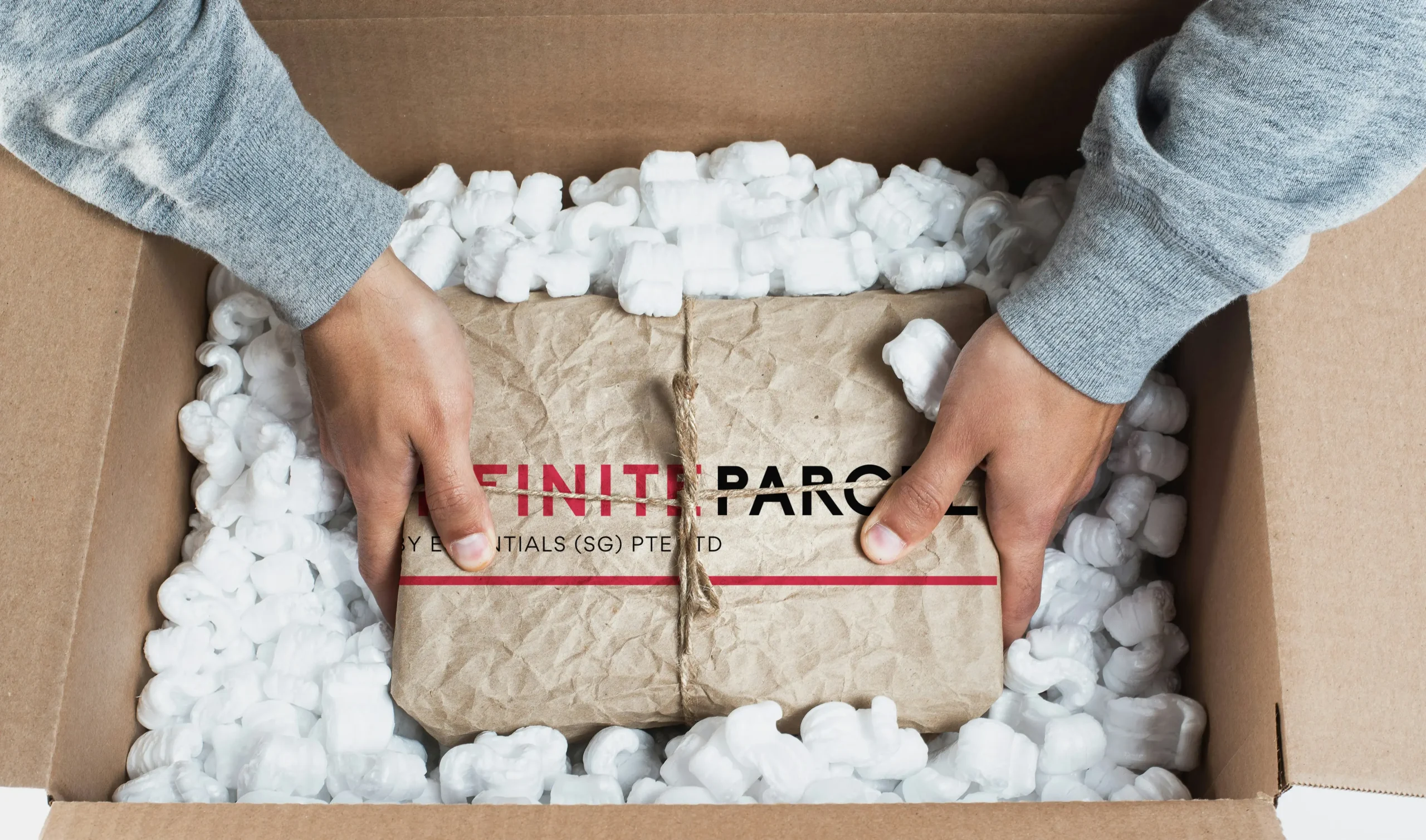
In today’s environmentally conscious world, more and more businesses are shifting towards eco-friendly packaging solutions to reduce their carbon footprint. Sustainable packaging not only helps protect the environment but also appeals to the growing number of consumers who prefer brands that prioritize eco-responsibility. Whether you run a small e-commerce business or a large retail company, switching to eco-friendly packaging can enhance your brand image, cut costs, and contribute to a greener planet.
In this post, we’ll explore several sustainable packaging options and how they can benefit your business.
Biodegradable packaging is made from materials that can decompose naturally over time without leaving harmful residues in the environment. Unlike traditional plastic packaging, which can take hundreds of years to break down, biodegradable materials degrade quickly and return to nature.
Popular Biodegradable Packaging Materials:
Why Use Biodegradable Packaging?
Switching to biodegradable packaging not only reduces plastic waste but also signals your commitment to sustainability, which can attract eco-conscious consumers. Additionally, biodegradable materials decompose quickly, reducing the strain on landfills and lowering the environmental impact of your packaging.
One of the simplest ways to adopt eco-friendly packaging is by using recycled and recyclable materials. Recycled packaging is made from post-consumer or post-industrial waste, while recyclable materials can be reused after their initial use.
Common Recycled/Recyclable Packaging Materials:
Benefits of Recycled/Recyclable Packaging:
Using recycled or recyclable materials helps close the loop in the supply chain, meaning that less new raw material is needed to produce packaging. By adopting these materials, businesses reduce waste, conserve natural resources, and appeal to customers who prioritize recycling and sustainability.
Compostable packaging is made from organic materials that break down in composting conditions, leaving behind no toxic residues. These materials degrade into nutrient-rich compost that can benefit soil health.
Examples of Compostable Packaging:
Why Go Compostable?
Compostable packaging is perfect for businesses looking to offer completely eco-friendly solutions, particularly in industries like food and beverages where packaging often becomes waste. It is an excellent way to contribute to waste reduction and appeal to consumers seeking zero-waste alternatives.
Another sustainable packaging solution is reusable packaging. Instead of being discarded after one use, reusable packaging can be used multiple times, helping to reduce waste and conserve resources.
Common Types of Reusable Packaging:
Advantages of Reusable Packaging:
Reusable packaging helps reduce single-use waste and encourages a more circular economy. It also provides businesses with an opportunity to create branded packaging that customers will use repeatedly, offering long-term visibility and enhancing brand loyalty.
Minimalist packaging involves using less material overall while still providing adequate protection for the product. By reducing the amount of packaging, businesses save on material costs and reduce their environmental footprint.
How to Implement Minimalist Packaging:
Benefits of Minimalist Packaging:
By reducing the volume of packaging materials used, minimalist packaging helps lower production and shipping costs. It also appeals to consumers who are looking for brands that prioritize resource conservation and environmental responsibility.
Eco-friendly packaging solutions offer businesses a way to reduce their environmental impact while also improving customer satisfaction and loyalty. Whether through biodegradable, recyclable, compostable, reusable, or minimalist packaging, businesses can make sustainable choices that benefit both the planet and their bottom line.
By transitioning to sustainable packaging, you demonstrate a commitment to the environment, enhance your brand’s image, and meet the demands of eco-conscious consumers who prioritize sustainability.



You must be logged in to post a comment.