Shopping Cart
Close


In today’s competitive market, branding plays a crucial role in differentiating your products and creating a connection with consumers. While many businesses focus on the visual aspects of logos, websites, and advertisements, packaging is often an overlooked but equally vital part of branding. Your product packaging is the first tangible interaction a customer has with your brand, making it a powerful tool to leave a lasting impression.
This article explores the essential role that packaging plays in branding and how it can help businesses make a memorable impact on their customers.
Packaging serves as the first physical touchpoint between your brand and your customer. Long before they try your product, customers will encounter its packaging. The design, feel, and overall presentation of the packaging help form their initial perception of your brand. Whether they’re browsing online or seeing your products in a store, packaging can grab their attention, communicate your brand values, and even influence purchasing decisions.
Consider the experience of unboxing a product. When a customer opens a well-designed, thoughtfully packaged item, it enhances their perception of the product’s value. In contrast, a poorly packaged item can detract from the brand experience and leave a negative impression. Packaging is often viewed as a reflection of the quality of the product inside, so investing in premium materials and a design that resonates with your target audience is crucial.
Packaging plays a key role in establishing and reinforcing your brand identity. The colors, typography, imagery, and even the shape of the packaging all contribute to how customers recognize and remember your brand. Cohesive, consistent packaging helps build brand recognition and trust, making it easier for customers to spot your products in a crowded marketplace.
Key Elements of Branding in Packaging:
Every brand has a story, and packaging is a great medium to tell that story. Whether it’s the history of the company, the inspiration behind the product, or a commitment to sustainability, packaging can communicate the values and mission of your brand.
For example, if your brand prioritizes environmental sustainability, eco-friendly packaging materials and messaging about your efforts to reduce waste can reinforce your brand’s identity. Alternatively, if your product has a unique origin or artisanal qualities, you can incorporate these elements into the packaging design to connect with customers on an emotional level.
Storytelling Tips for Packaging:
In the age of social media, the unboxing experience has become a phenomenon, with influencers and customers sharing videos of themselves unwrapping products. Packaging that delivers a memorable unboxing experience can create buzz around your brand, as well as encourage customers to share their excitement online.
To create an impactful unboxing experience:
These small touches show that you’ve put extra thought and care into the presentation, which can increase customer loyalty and generate positive word-of-mouth marketing.
Packaging is not just a vessel for your product—it’s also a marketing tool. Creative and eye-catching packaging can serve as free advertising in stores or online. A well-designed package can grab the attention of potential customers who may not have been familiar with your brand, helping to convert browsing into purchasing.
Ways Packaging Can Boost Marketing:
Packaging is far more than just a protective layer for your products—it’s an integral part of your brand’s identity and customer experience. By investing in well-designed, thoughtful packaging, you can create a strong brand presence, tell your story, and make a lasting impression on your customers. From first contact to the unboxing experience, packaging offers countless opportunities to reinforce your brand’s values, increase recognition, and foster customer loyalty.
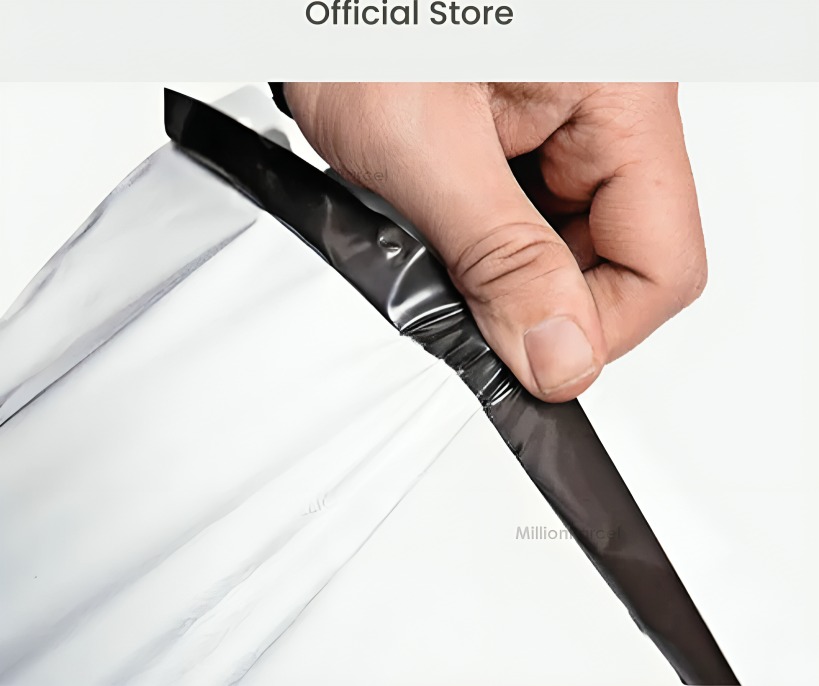
Shipping fragile items can be a challenging task, as these items are more prone to damage during transit. Whether you’re shipping electronics, glassware, or delicate collectibles, the right packaging is essential to ensure they arrive safely at their destination. One of the best solutions for protecting fragile items is the use of bubble polybags. These bags are designed with built-in bubble cushioning to provide a protective layer around the item, preventing breakage, scratches, and other forms of damage.
In this post, we’ll explore the many benefits of using bubble polybags for shipping fragile items and why they’re an ideal packaging solution for businesses and consumers alike.
The primary benefit of bubble polybags is their ability to provide superior protection for fragile items. The inner layer of bubbles acts as a cushion, absorbing shocks and impacts that may occur during transit. This prevents items from being damaged due to rough handling, drops, or collisions with other packages.
Unlike standard polybags or paper-based packaging, bubble polybags offer an extra layer of defense, making them particularly effective for fragile goods like ceramics, glass, and electronics. The bubbles inside the polybag help evenly distribute the force of any impacts, reducing the chances of items getting cracked or broken.
One of the most significant advantages of using bubble polybags is their lightweight nature. Shipping costs are often determined by the weight of the package, and bubble polybags add minimal weight compared to bulkier alternatives like boxes filled with packing materials. This makes bubble polybags a cost-effective solution, especially for businesses shipping large volumes of fragile items.
Additionally, the cost of purchasing bubble polybags is generally lower than other protective packaging options. This makes them an affordable choice for businesses looking to save on packaging costs while still ensuring the safe delivery of their products.
Bubble polybags are easy to use, making the packing process faster and more efficient. Most bubble polybags come with a self-sealing adhesive strip, allowing you to quickly seal the bag without needing additional tape or equipment. This not only saves time but also reduces the need for excess packaging materials, such as tape or filler.
Their compact size also makes bubble polybags more convenient to store and handle, especially in comparison to larger cardboard boxes. For businesses with limited storage space, bubble polybags offer a space-saving alternative that doesn’t compromise on protection.
Another key benefit of bubble polybags is their ability to protect fragile items from moisture, dust, and other environmental factors that can cause damage. The plastic outer layer of the polybag acts as a barrier, keeping out water and dust, which is particularly important for items like electronics, photographs, and artwork.
During transit, packages can encounter a variety of environmental conditions, such as rain, humidity, or dust exposure. Bubble polybags help keep the item clean and dry, ensuring it arrives in the same condition as it was when packed.
Bubble polybags come in a wide range of sizes, making it easy to find the perfect fit for your product. Whether you need small bags for jewelry or large ones for fragile home décor items, there’s a bubble polybag to suit your needs. Additionally, bubble polybags can be customized with extra features like anti-static bubbles for electronics or tamper-evident seals for added security.
This versatility ensures that you can choose a bubble polybag that provides the right level of protection and functionality for your specific product, reducing the risk of damage while ensuring a professional and secure presentation.
Many packaging suppliers now offer eco-friendly bubble polybags made from recyclable or biodegradable materials. These environmentally friendly options are perfect for businesses looking to reduce their environmental impact while still providing high-quality protection for fragile items.
By choosing eco-friendly bubble polybags, businesses can demonstrate their commitment to sustainability, appeal to eco-conscious customers, and reduce their packaging waste.
Using bubble polybags for shipping fragile items ultimately leads to higher customer satisfaction. Customers expect their orders to arrive in perfect condition, and damaged products can lead to returns, complaints, and negative reviews. By using bubble polybags, you can ensure that your fragile items are well-protected, reducing the risk of damage and enhancing the overall customer experience.
Satisfied customers are more likely to leave positive reviews, make repeat purchases, and recommend your business to others. Investing in quality packaging like bubble polybags is a simple yet effective way to build trust and loyalty with your customers.
Bubble polybags offer an ideal packaging solution for fragile items, providing superior protection, cost-efficiency, and convenience. Their lightweight design, ease of use, and moisture resistance make them perfect for shipping delicate goods, while customizable and eco-friendly options allow businesses to tailor the packaging to their specific needs.
For businesses and consumers alike, bubble polybags offer peace of mind, knowing that fragile items will be safely transported without damage. By using these versatile bags, businesses can reduce shipping costs, protect their products, and ensure customer satisfaction with every delivery.
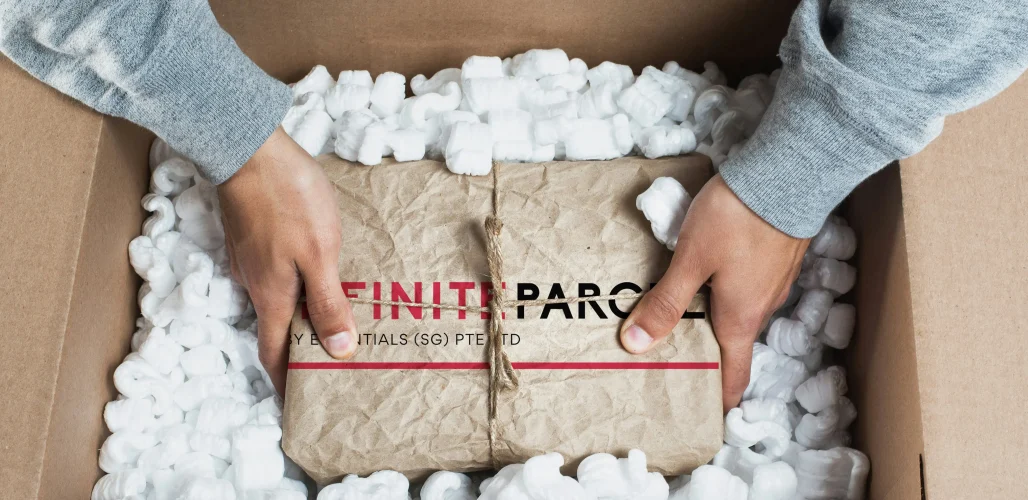
In today’s environmentally conscious world, more and more businesses are shifting towards eco-friendly packaging solutions to reduce their carbon footprint. Sustainable packaging not only helps protect the environment but also appeals to the growing number of consumers who prefer brands that prioritize eco-responsibility. Whether you run a small e-commerce business or a large retail company, switching to eco-friendly packaging can enhance your brand image, cut costs, and contribute to a greener planet.
In this post, we’ll explore several sustainable packaging options and how they can benefit your business.
Biodegradable packaging is made from materials that can decompose naturally over time without leaving harmful residues in the environment. Unlike traditional plastic packaging, which can take hundreds of years to break down, biodegradable materials degrade quickly and return to nature.
Popular Biodegradable Packaging Materials:
Why Use Biodegradable Packaging?
Switching to biodegradable packaging not only reduces plastic waste but also signals your commitment to sustainability, which can attract eco-conscious consumers. Additionally, biodegradable materials decompose quickly, reducing the strain on landfills and lowering the environmental impact of your packaging.
One of the simplest ways to adopt eco-friendly packaging is by using recycled and recyclable materials. Recycled packaging is made from post-consumer or post-industrial waste, while recyclable materials can be reused after their initial use.
Common Recycled/Recyclable Packaging Materials:
Benefits of Recycled/Recyclable Packaging:
Using recycled or recyclable materials helps close the loop in the supply chain, meaning that less new raw material is needed to produce packaging. By adopting these materials, businesses reduce waste, conserve natural resources, and appeal to customers who prioritize recycling and sustainability.
Compostable packaging is made from organic materials that break down in composting conditions, leaving behind no toxic residues. These materials degrade into nutrient-rich compost that can benefit soil health.
Examples of Compostable Packaging:
Why Go Compostable?
Compostable packaging is perfect for businesses looking to offer completely eco-friendly solutions, particularly in industries like food and beverages where packaging often becomes waste. It is an excellent way to contribute to waste reduction and appeal to consumers seeking zero-waste alternatives.
Another sustainable packaging solution is reusable packaging. Instead of being discarded after one use, reusable packaging can be used multiple times, helping to reduce waste and conserve resources.
Common Types of Reusable Packaging:
Advantages of Reusable Packaging:
Reusable packaging helps reduce single-use waste and encourages a more circular economy. It also provides businesses with an opportunity to create branded packaging that customers will use repeatedly, offering long-term visibility and enhancing brand loyalty.
Minimalist packaging involves using less material overall while still providing adequate protection for the product. By reducing the amount of packaging, businesses save on material costs and reduce their environmental footprint.
How to Implement Minimalist Packaging:
Benefits of Minimalist Packaging:
By reducing the volume of packaging materials used, minimalist packaging helps lower production and shipping costs. It also appeals to consumers who are looking for brands that prioritize resource conservation and environmental responsibility.
Eco-friendly packaging solutions offer businesses a way to reduce their environmental impact while also improving customer satisfaction and loyalty. Whether through biodegradable, recyclable, compostable, reusable, or minimalist packaging, businesses can make sustainable choices that benefit both the planet and their bottom line.
By transitioning to sustainable packaging, you demonstrate a commitment to the environment, enhance your brand’s image, and meet the demands of eco-conscious consumers who prioritize sustainability.

Effective packaging plays a crucial role in ensuring that products reach customers safely and in excellent condition. However, packaging mistakes can lead to damaged goods, higher shipping costs, and dissatisfied customers. To help you avoid these costly errors, we’ve compiled a list of the top five common packaging mistakes and tips on how to avoid them.
One of the most common packaging mistakes is using boxes that are either too large or too small for the items being shipped. Oversized boxes require more filler material, which not only increases shipping costs but also leads to wasted resources. On the other hand, undersized boxes can compress items, increasing the risk of damage during transit.
How to Avoid It:
Always select a box that fits your product comfortably, with enough room for protective materials like bubble wrap or packing peanuts. Custom-sized boxes are a great solution for products with irregular shapes, ensuring that the item is securely enclosed without excess empty space. This reduces the need for extra padding while offering optimal protection during shipping.
Neglecting to properly cushion products inside the box is a common mistake that can result in damaged goods, especially for fragile items. Items can shift during transit, leading to potential breakage if there’s not enough padding to absorb shock.
How to Avoid It:
Use adequate cushioning materials, such as bubble wrap, foam inserts, or packing peanuts, to ensure that the product doesn’t move around in the box. If you’re shipping fragile items, consider double-layered packaging or custom foam inserts to provide extra protection. Test your packaging by gently shaking the box—if the item moves, add more cushioning.
While it’s essential to protect products during shipping, using too much packaging material can be wasteful and lead to higher costs. Overpacking also contributes to excessive weight and increases shipping fees. Additionally, it can create a negative customer experience if opening the package is cumbersome or messy.
How to Avoid It:
Strike a balance between protection and efficiency. Use only the necessary amount of packing material to secure the product. Opt for lightweight materials like air pillows or eco-friendly options like recyclable paper fillers to reduce weight while maintaining protection. Consider optimizing your packaging design to eliminate excess materials and enhance the unboxing experience.
Cutting corners by using low-quality boxes, tape, or filler materials might seem cost-effective initially, but it can lead to expensive consequences. Weak materials are more prone to breaking, tearing, or losing shape during transit, which can result in damaged products or the entire package falling apart.
How to Avoid It:
Invest in high-quality packaging materials that are strong and durable. Corrugated cardboard boxes, sturdy packing tape, and reliable cushioning materials are essential for keeping products safe. Using better-quality materials may have a higher upfront cost, but it reduces the likelihood of damage, returns, and customer complaints in the long run, saving you money and protecting your reputation.
Improper labeling or missing crucial information, such as the recipient’s address or handling instructions, is another common packaging mistake. Incorrect labels can lead to shipping delays, lost packages, or damage due to mishandling.
How to Avoid It:
Ensure that all labels are clear, accurate, and securely attached to the package. Double-check shipping addresses, barcodes, and any special handling instructions before sealing the box. If the product requires specific handling (e.g., “Fragile” or “This Side Up”), make sure the labels are prominently displayed on the packaging. Automated labeling systems can help streamline this process and reduce human error.
Avoiding packaging mistakes is critical to ensuring that your products reach customers safely, efficiently, and at the lowest possible cost. By selecting the correct box size, using adequate cushioning, avoiding overpacking, investing in quality materials, and ensuring proper labeling, you can minimize the risk of product damage and customer dissatisfaction.
Packaging is an essential aspect of the customer experience, and getting it right enhances your brand’s reputation and strengthens customer loyalty. With the right approach to packaging, your business can save money, reduce returns, and build trust with every successful delivery.
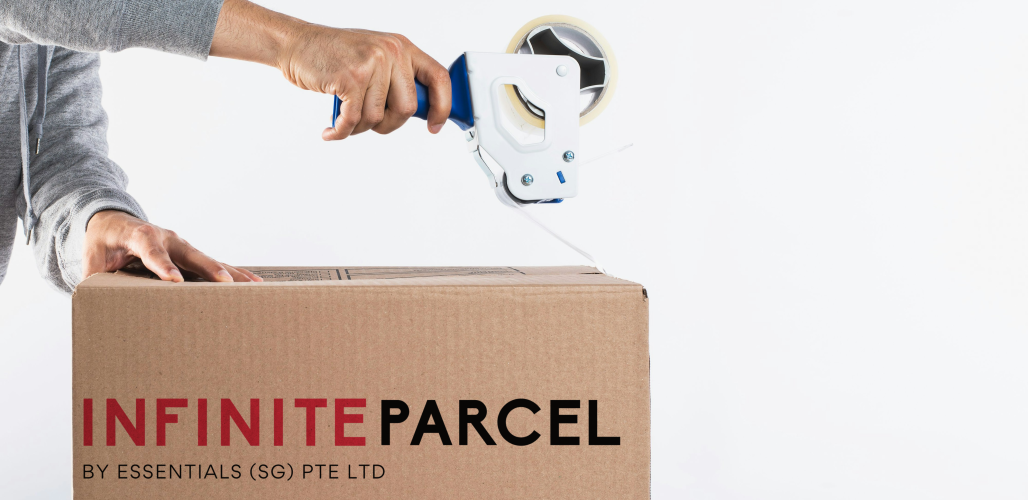
In today’s competitive market, businesses are constantly striving to enhance customer satisfaction and build brand loyalty. One often-overlooked aspect that plays a significant role in achieving these goals is the use of quality packaging materials. Safe delivery of products not only ensures customer satisfaction but also protects the business’s reputation. In this post, we’ll explore why using high-quality packaging materials is critical for ensuring safe deliveries and how it impacts various aspects of a business.
The primary function of packaging is to protect the product from damage during shipping and handling. Items that are poorly packaged are prone to breakage, crushing, or other forms of damage, especially when exposed to the rough handling that is common during transit. Quality packaging materials such as durable cardboard boxes, bubble wrap, and foam inserts can absorb shocks and protect items from external pressure.
When products arrive damaged, it not only inconveniences the customer but also leads to costly returns and replacements for the business. By investing in high-quality packaging, businesses reduce the likelihood of such incidents, ensuring that products arrive at their destination intact.
Returns due to damaged goods are a significant problem for many businesses. Each return represents a dissatisfied customer, as well as additional costs for the business in terms of return shipping, replacement products, and lost revenue. In the worst-case scenario, customers may choose not to shop with that business again, impacting long-term sales and loyalty.
Using quality packaging materials minimizes the risk of product damage and reduces the frequency of returns and complaints. When customers receive their orders in perfect condition, they are more likely to leave positive reviews, return for future purchases, and recommend the business to others. This helps to create a positive feedback loop that can enhance a company’s reputation.
Packaging is often the first physical interaction a customer has with your brand. High-quality, well-designed packaging not only protects the product but also contributes to the overall customer experience. Think of how many unboxing videos and social media posts feature products packaged beautifully, with attention to detail.
Premium packaging materials convey a sense of care and professionalism, helping to create a positive impression of your brand. Customers are more likely to associate high-quality packaging with a high-quality product. This strengthens brand loyalty and sets your business apart from competitors who may not prioritize the packaging experience.
In certain industries, especially those dealing with fragile or hazardous goods, the use of specific packaging materials is required by law or industry regulations. For example, companies shipping chemicals or medical supplies must use materials that meet safety standards to prevent leaks, contamination, or accidents during transport.
By using high-quality packaging that complies with relevant standards, businesses ensure that they meet legal and safety requirements, protecting both the customer and the company from potential liabilities.
The growing emphasis on environmental responsibility means that customers are increasingly looking for businesses that prioritize sustainability. High-quality packaging materials that are recyclable or made from eco-friendly resources can help businesses reduce their environmental impact.
Using sustainable packaging also appeals to eco-conscious consumers, who are more likely to support brands that align with their values. This not only enhances brand loyalty but also helps businesses contribute positively to the environment.
While high-quality packaging materials may come with a higher upfront cost, they often lead to savings in the long run. Businesses that invest in durable, well-designed packaging can reduce the costs associated with product damage, returns, and replacements. Additionally, using the right-sized, protective packaging helps avoid excessive weight and dimensional shipping fees, contributing to overall cost efficiency.
The importance of using quality packaging materials for safe deliveries cannot be overstated. Proper packaging protects products during transit, reduces returns and complaints, enhances brand perception, ensures compliance with regulations, and supports sustainability efforts. While it may require an upfront investment, the long-term benefits far outweigh the costs.
For any business looking to ensure customer satisfaction, build a strong reputation, and create a seamless unboxing experience, high-quality packaging materials are an essential part of the equation. Investing in the right materials not only safeguards your products but also strengthens your brand and customer relationships in the long run.