Shipping is an integral part of any business that involves delivering products to customers. Whether you’re an e-commerce store, a small business, or a large corporation, packaging plays a crucial role in ensuring that your products reach their destination safely and in pristine condition. One of the most important decisions in this process is choosing the right parcel box. The wrong choice can lead to damaged goods, higher shipping costs, and dissatisfied customers.
In this post, we’ll guide you through the process of selecting the perfect parcel box for your shipping needs, considering factors like size, strength, material, and cost-efficiency. Let’s dive in!
1. Assess the Size and Shape of Your Product
The first and most critical step in choosing the right parcel box is determining the correct size. Boxes that are too big or too small can cause issues during shipping. Here’s how to assess your needs:
- Measure the Product: Start by measuring the dimensions of the item you’re shipping (length, width, and height). Ensure that the box you choose is slightly larger than your product to accommodate protective packaging materials like bubble wrap or foam.
- Avoid Oversized Boxes: Using an oversized box for a small item not only increases shipping costs but also requires more filler materials to secure the product inside. Excessive use of filler can also lead to environmental concerns and waste.
- Custom Box Sizes: If your product is oddly shaped or particularly fragile, consider custom-sized boxes. Custom boxes can minimize the need for extra packing material while offering better protection and a more professional presentation.
2. Choose the Right Box Material
The material of the parcel box is crucial to ensuring the safety of your products. Different materials are designed to handle various types of items, and selecting the appropriate one will reduce the risk of damage during transit.
- Corrugated Cardboard Boxes: These are the most common and versatile shipping boxes available. They come in single-wall, double-wall, or even triple-wall varieties, depending on the level of protection needed. Single-wall boxes are ideal for lightweight, non-fragile items, while double-wall and triple-wall boxes offer added strength for heavier or fragile products.
- Rigid Mailers: For documents, photographs, or flat items, rigid mailers provide adequate protection while remaining lightweight and cost-effective. They prevent bending and creasing during shipment.
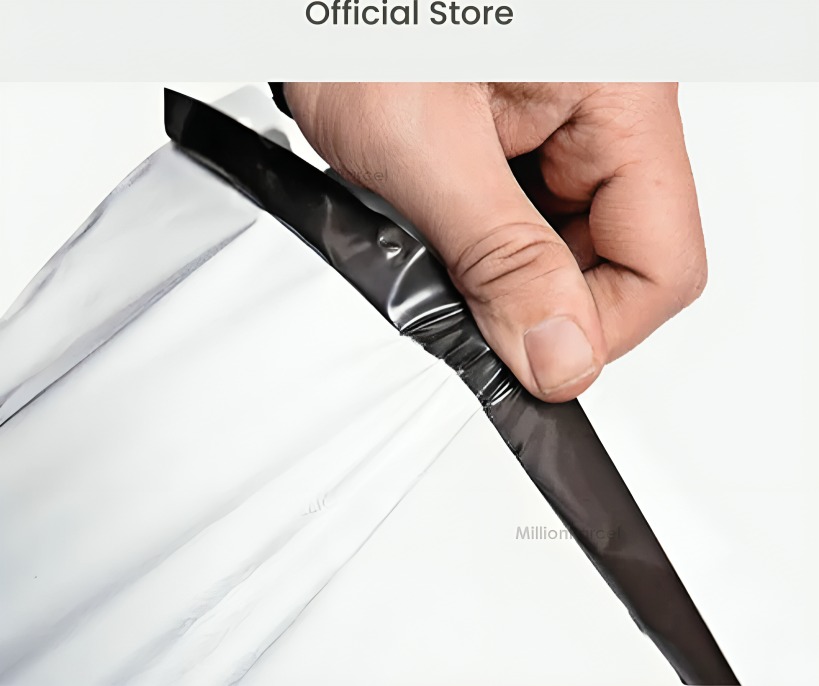
- Poly Mailers: Poly mailers are made of lightweight plastic and are ideal for soft, non-fragile items like clothing. They’re cost-effective and offer weather-resistant protection, but they don’t provide much cushioning for delicate products.
- Eco-Friendly Materials: With the growing emphasis on sustainability, many businesses are opting for eco-friendly packaging solutions. Recyclable and biodegradable materials are excellent choices for companies looking to reduce their environmental footprint while still providing durable packaging.
3. Consider Box Durability and Strength
The strength of your box is directly related to how well it can protect your product during shipping. Different products require different levels of strength, depending on factors such as weight and fragility.
- Lightweight Items: For items that are lightweight and not easily damaged (such as books or clothing), single-wall corrugated boxes are usually sufficient. These boxes are lightweight and offer just enough protection for everyday items.
- Fragile or Heavy Items: If you’re shipping fragile, heavy, or valuable products (like electronics or glassware), you’ll need a more durable solution. Double-wall or triple-wall corrugated boxes provide the extra protection needed to prevent breakage or damage during shipping. Double-wall boxes have two layers of corrugated cardboard for added strength and protection.
- Shipping Conditions: Consider the shipping conditions your package will face. Will it be handled multiple times during transit? Is it likely to be exposed to extreme temperatures or moisture? For items shipped over long distances or internationally, choose boxes with stronger materials that can withstand rough handling and environmental changes.
4. Account for Cushioning and Packaging Materials
Even with the right-sized box and strong materials, proper cushioning is necessary to ensure your product arrives in perfect condition. There are various packaging materials that can be used to add protection and absorb shocks during transit:
- Bubble Wrap: Ideal for fragile items like glass or electronics, bubble wrap offers a lightweight, cost-effective way to cushion your products and keep them safe from impact.
- Packing Peanuts: Packing peanuts are loose-fill materials used to fill empty spaces in the box and prevent items from shifting during transit. While effective, they can be messy and are often not environmentally friendly.
- Foam Inserts: For high-value or particularly fragile items, custom foam inserts can provide a snug, secure fit inside the box. This prevents movement and absorbs shocks during shipping.
- Kraft Paper: This is a recyclable option that’s used to fill gaps in the box or wrap items securely. It’s an eco-friendly alternative to packing peanuts or bubble wrap.
5. Ensure Cost-Efficiency
While it’s essential to provide adequate protection for your products, you’ll also need to keep shipping costs in mind. Balancing cost and protection is crucial for maintaining profitability, especially if you ship large volumes of goods.
- Lightweight Packaging: Use lightweight boxes and packing materials whenever possible to reduce shipping costs. Remember that shipping carriers often charge based on both the size and weight of the package, so minimizing these can lead to savings.
- Flat Rate Boxes: Many shipping carriers offer flat-rate boxes, which allow you to ship items for a fixed price, regardless of weight. If you’re shipping heavy items, this can be a cost-effective option.
- Bulk Purchasing: If you ship products frequently, consider buying your packaging materials in bulk. Many suppliers offer discounts for larger orders, allowing you to reduce per-unit costs.
6. Consider Branding Opportunities
Packaging is not just about protection; it’s also a powerful branding tool. Well-designed boxes can create a memorable unboxing experience for customers and reinforce your brand identity.
- Custom Printed Boxes: Customizing your boxes with your company’s logo, colors, and branding elements adds a professional touch and can enhance customer loyalty. Many businesses are also using branded packaging as a way to engage with customers on social media.
- Eco-Friendly Branding: If you’re using eco-friendly packaging materials, highlight this on your box. Many customers appreciate businesses that prioritize sustainability, and this can help set your brand apart from competitors.
7. Test Your Packaging
Once you’ve selected the right parcel box, don’t forget to test your packaging. Ship a few test packages to ensure that your products are well-protected and that the box holds up under shipping conditions. This allows you to make any necessary adjustments before sending packages to customers.
Conclusion
Choosing the right parcel box for your shipping needs is a crucial step in ensuring that your products arrive safely and in good condition. By considering factors such as size, material, durability, cost-efficiency, and branding, you can select the ideal packaging solution for your business. Proper packaging not only protects your products but also enhances your customers’ overall experience and reflects positively on your brand. Take the time to choose wisely, and your efforts will pay off in the form of satisfied customers and safe, secure deliveries.
4o


You must be logged in to post a comment.